








Challenge Coin Size & Thickness Guide: How to Choose the Right Dimensions

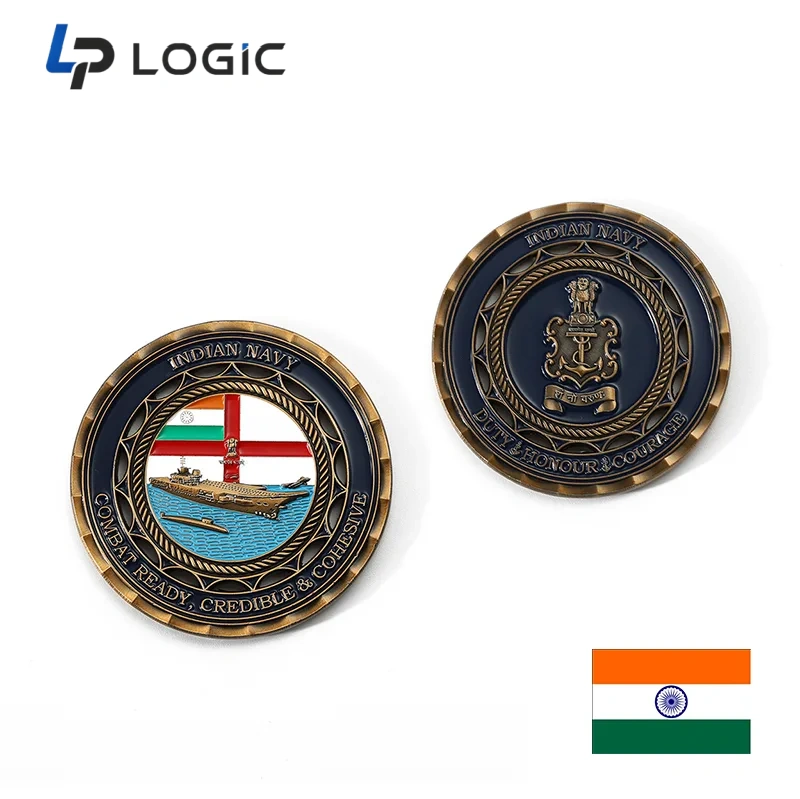
Challenge coin size affects much more than the diameter printed on a quotation. It determines how much text and artwork can remain readable, how much relief depth is practical, how the coin feels in the hand, and how much metal is used in production.
Quick Answer
For many custom challenge coin projects, 1.75–2.0 inches in diameter and around 3 mm thick is a practical starting point. Choose 1.5 inches for simple, compact designs; move to 2.0–2.5 inches when you need more text, deeper 3D relief, a stronger presentation or more complex double-sided artwork. Final dimensions should follow the artwork, intended use, desired weight and budget rather than a fixed “standard.”
Before approving a size, compare our custom challenge coins to see how different layouts, finishes and relief styles use the available surface area.
What Does Challenge Coin Size Mean?
For a round challenge coin, size normally refers to the diameter. A 1.75-inch coin is about 44 mm wide, while a 2-inch coin is about 51 mm. For custom shapes, the quoted size normally refers to the widest or longest point.
Diameter should always be considered together with thickness. A larger coin that is too thin can feel light and visually weak, while a very small coin that is excessively thick can feel bulky and make the edge dominate the design.
Common Challenge Coin Diameters
1.5 Inches / 38 mm
Best for compact pocket coins, simple emblems and short border text. It is economical in metal use, but detailed logos and long wording can become difficult to reproduce clearly.
1.75 Inches / 44 mm
A common reference size for military-style, club and organizational coins. It balances portability with enough space for a central emblem, short text and moderate detail.
2 Inches / 51 mm
Useful when the design needs more readable text, larger enamel areas, layered borders or more detailed front-and-back artwork. It also gives the finished coin a more substantial feel.
2.25–2.5 Inches
Better for command coins, retirement pieces, ceremonial presentations and designs with large 3D portraits, multiple symbols or substantial commemorative text.
How Thick Should a Challenge Coin Be?
Thickness changes edge presence, weight, structural rigidity and the amount of depth available for raised or recessed details. For many zinc alloy challenge coins, approximately 3 mm is a practical starting thickness, but more complex 3D designs can benefit from additional depth.
2–2.5 mm
Suitable for simpler flat designs where low weight and material efficiency matter more than deep sculpting. Not ideal for strong 3D relief.
3 mm
A balanced starting point for many 1.75–2 inch zinc alloy coins. It works well with common 2D relief, enamel, antique finishes and moderate raised details.
3.5–4 mm
Useful for stronger 3D relief, thicker edges and premium coins that need more physical presence without becoming oversized.
4.5–5 mm+
Best reserved for intentionally heavyweight presentation pieces, deep sculpting or special structures where extra thickness supports the design.
1.5 vs 1.75 vs 2 Inch Challenge Coins
Choose 1.5 Inch When
The logo is simple, text is short, the coin needs to stay compact, and the project does not rely on deep 3D sculpting.
Choose 1.75 Inch When
You want a traditional hand-held proportion with a central emblem, short border text and a practical balance between detail and portability.
Choose 2 Inch When
The artwork includes more wording, larger logos, multiple enamel areas, double-sided detail or a stronger presentation requirement.
When Should You Choose a Larger Challenge Coin?
Move above 2 inches when the artwork cannot remain clear at a smaller scale. This is common with portraits, buildings, military insignia with multiple layers, long commemorative wording, sponsor marks, spinner structures or designs that need a wide decorative border.
A larger diameter is often a better solution than shrinking text and fine lines until they become difficult to manufacture. Our custom spinning challenge coin is an example of a structure where extra surface area helps the design and mechanism work together.
How Size Affects 2D and 3D Relief
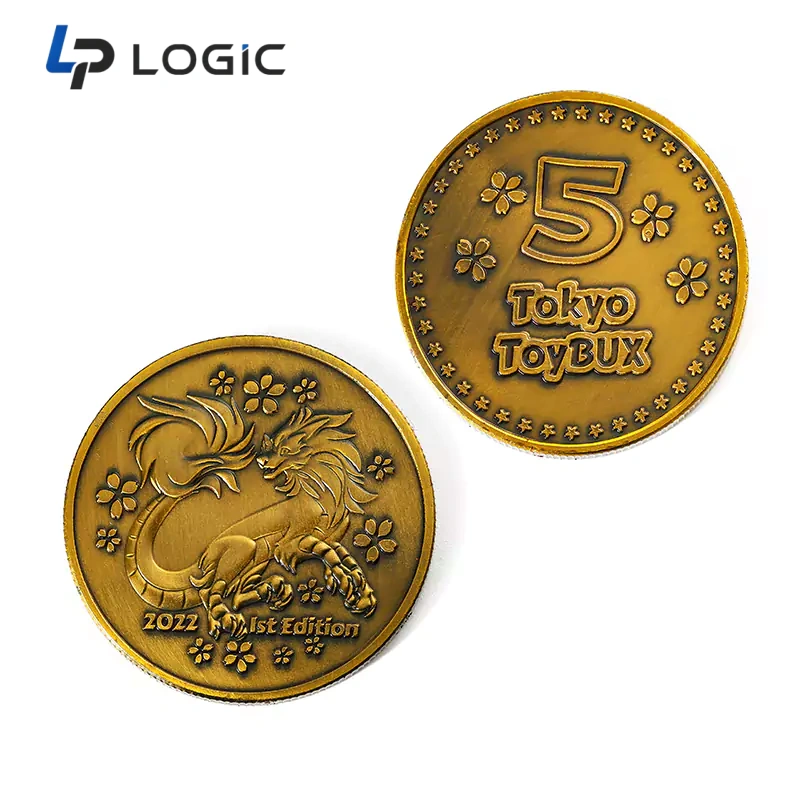
2D relief uses defined raised and recessed levels, so it can work efficiently on standard thicknesses when the artwork is clean. 3D relief uses gradual sculpted depth, which needs more space both across the face and through the thickness of the coin.
If the artwork includes a portrait, animal, building or other sculptural subject, increasing the coin to around 2 inches or more can help preserve depth and separation between elements. See our custom 3D relief challenge coin for a practical example.
How Size and Thickness Affect Cost
Increasing diameter or thickness normally increases metal consumption and finished weight. That can affect both unit cost and shipping cost. However, the smallest possible coin is not always the most economical choice if the artwork must be redesigned repeatedly because text and details do not fit.
The better approach is to choose the smallest size that still reproduces the artwork clearly and delivers the intended feel. Tooling, quantity, plating, enamel, edge treatment and packaging also affect the final quotation.
For finish selection, read our challenge coin plating guide.
Does Edge Text Require a Thicker Coin?
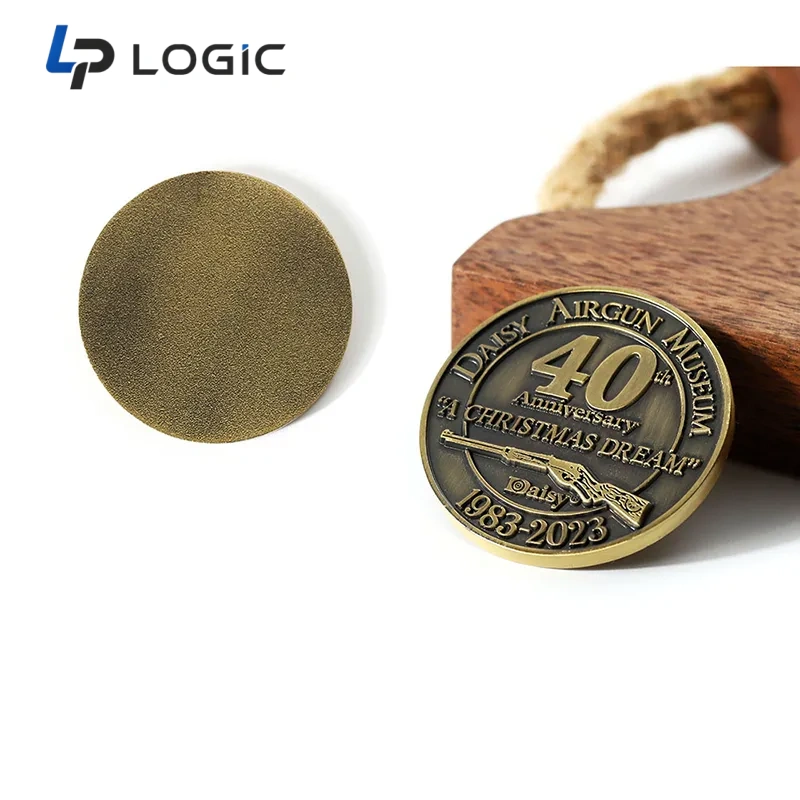
It can. If the coin includes engraved or raised edge text, the edge must be thick enough for the lettering to remain readable and manufacturable. Very thin coins limit the available edge height, especially when the wording is long.
Edge text should therefore be confirmed before the final thickness is locked. The same applies to rope edges, reeded edges and decorative cut patterns.
Recommended Starting Specifications
If you do not yet have a final specification, use one of these starting points:
Compact/simple: 1.5–1.75 in × 3 mm
General-purpose: 1.75–2.0 in × 3 mm
Detailed 3D/premium: 2.0–2.5 in × 3.5–4 mm or more after artwork review
What Should You Send for an Accurate Quote?
Send your logo or artwork, preferred diameter, thickness, quantity, plating, enamel requirements, front and back content, edge treatment, packaging preference and delivery destination. If you are unsure about size, we can review the artwork first and recommend dimensions before tooling.
Frequently Asked Questions
What is the standard challenge coin size?
There is no mandatory universal standard. Around 1.75 inches is a common reference size, but 2 inches is often better when the artwork contains more detail or text.
Is 2 inches too large for a challenge coin?
No. A 2-inch coin is still practical to hold and gives noticeably more design space than a 1.5- or 1.75-inch coin. It is especially useful for detailed or double-sided designs.
What thickness should a 2-inch challenge coin be?
About 3 mm is a practical starting point for many zinc alloy designs. Deep 3D relief, heavy edge treatment or a premium presentation may justify 3.5–4 mm or more.
Does a thicker challenge coin always look better?
No. Extra thickness should support the artwork and intended feel. Unnecessary thickness adds weight and material cost without automatically improving a simple design.
Can you recommend the size from my logo?
Yes. The artwork can be reviewed around text size, relief depth, borders, enamel areas and edge details before the final dimensions are approved.
Need Help Choosing Your Challenge Coin Size?
Send your artwork, target quantity and intended use. We can recommend a practical diameter and thickness before tooling. MOQ starts from 50 pieces.
0 thoughts on “Challenge Coin Size & Thickness Guide: How to Choose the Right Dimensions”