








Challenge Coin Edge Options Explained: Smooth, Reeded, Rope & Custom Cuts

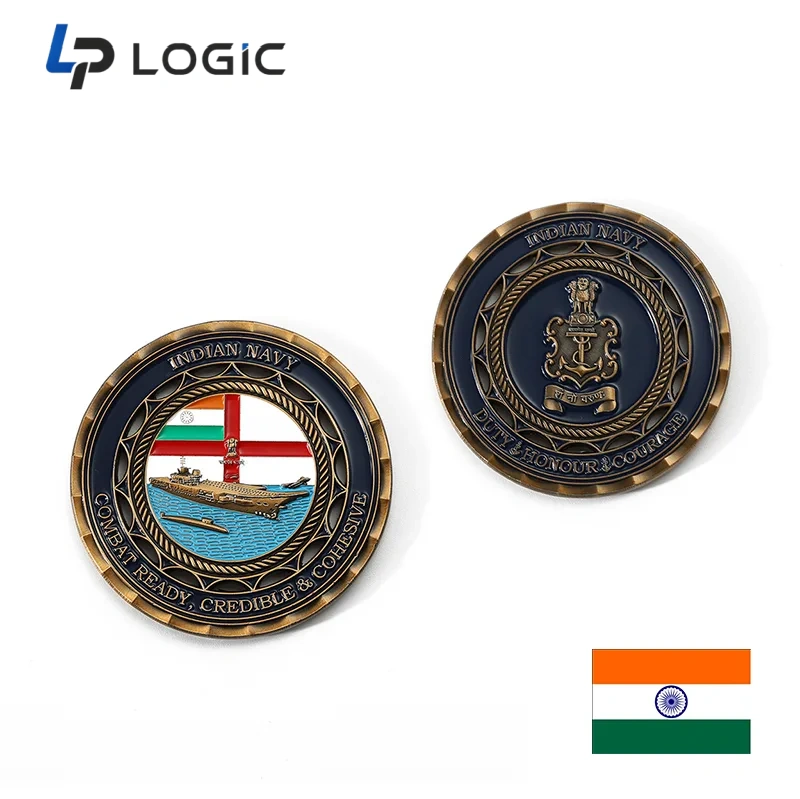
Challenge coin edges are easy to overlook, but they can change how a coin feels in the hand, how light reflects around the border, and how well the outer text and relief stay visually balanced. For custom challenge coins, the best edge is not simply the most decorative option—it should support the artwork, thickness, plating and intended use.
Quick answer: choose a standard smooth edge when the front and back artwork should remain the main focus. Use rope, reeded or diamond-cut style edges when the border is part of the visual design. If the coin includes edge text or numbering, keep the edge treatment simple enough to preserve readability.
Common Challenge Coin Edge Options
Standard Smooth Edge
A clean, simple edge that keeps attention on the face artwork. It works well for formal designs, dense border text and projects where cost control matters.
Reeded Edge
Fine vertical grooves create a classic coin-like appearance. This is useful when you want extra texture without making the edge visually dominant.
Rope Edge
A twisted border effect adds a traditional or ceremonial feel and works especially well with antique plating and emblem-style artwork.
Diamond-Cut / Faceted Edge
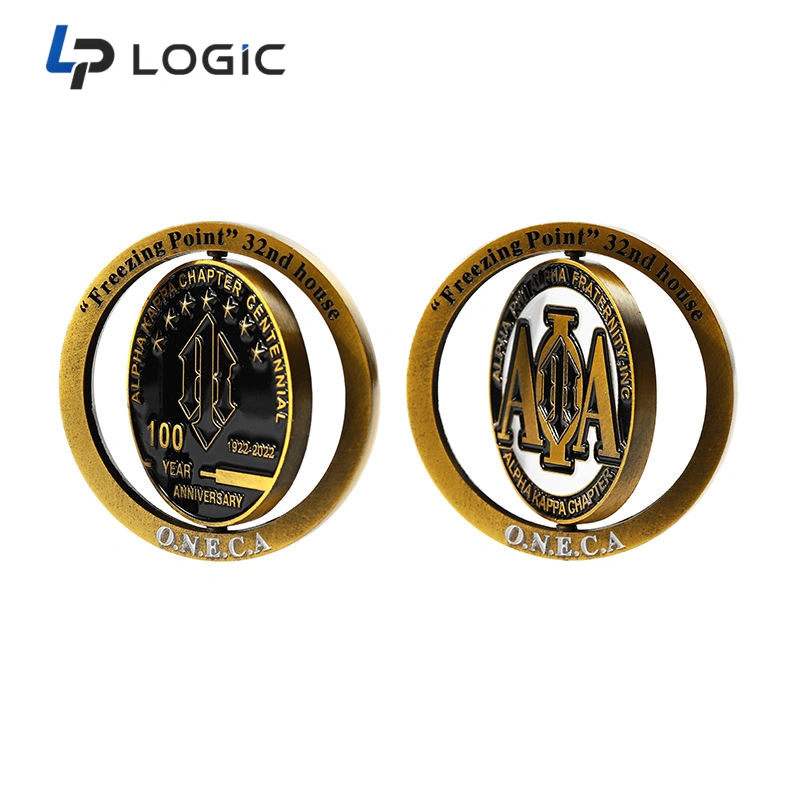
Cut surfaces reflect more light and create a brighter, premium frame. This type is often chosen when the edge itself should become part of the presentation.
How the Edge Affects the Overall Design
The edge should be selected together with the coin face—not after the artwork is already finished. A highly decorative edge can reduce the visual breathing room around outer lettering, while a simple edge can make complex 2D or 3D relief easier to read.
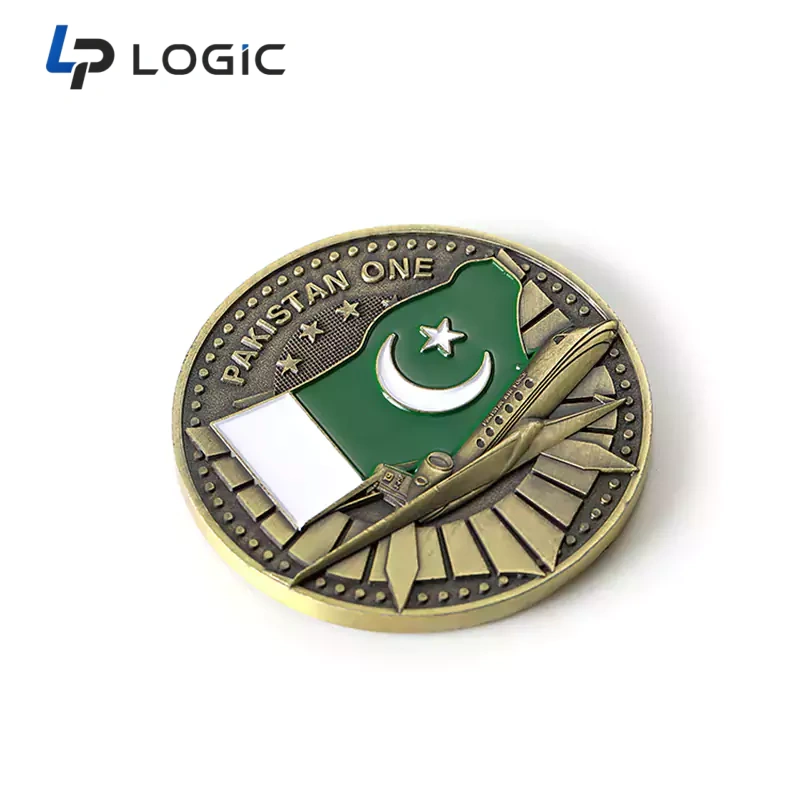
For a coin with dense circular text, multiple enamel colors or detailed 3D relief, a standard or lightly textured edge is often the safer choice. For a simpler center emblem, a rope or faceted edge can add character without competing with the main artwork.
If you are still deciding the overall dimensions, see our Challenge Coin Size & Thickness Guide. Edge choice, diameter and thickness should be planned together.
Edge Text and Numbering
Some custom coins use the edge for unit names, dates, slogans, serial numbers or short commemorative text. When readability matters, the design should leave enough physical edge area and avoid combining too many effects at once.
As a practical rule, the more information you place on the edge, the simpler the edge treatment should be. A smooth edge with engraved or raised text is easier to read than a heavily patterned edge carrying the same amount of information.
Thickness Matters
Decorative edge work needs enough metal to create a clean pattern. Very thin coins may limit how deep or complex the edge detail can be. Thicker coins generally provide more room for reeded, rope, cut or custom edge effects, but the final choice should follow the approved artwork and production method.
For B2B orders, we normally recommend confirming diameter + thickness + edge treatment as one specification instead of deciding each item separately.
Match the Edge to the Plating
Edge details become more visible under certain finishes. Bright gold, silver and polished finishes emphasize reflective cuts, while antique gold, antique silver and antique copper make recessed texture look deeper and more traditional.
If the finish is not decided yet, read How to Choose the Right Plating for Your Custom Challenge Coins.
Which Edge Should You Choose?
| Design Goal | Good Starting Option | Why |
|---|---|---|
| Formal / military-style | Smooth, reeded or rope | Clean, traditional and easy to pair with insignia |
| Premium commemorative | Faceted / diamond-cut | Adds reflected highlights around the border |
| Edge text / serial numbers | Smooth edge | Prioritizes readability |
| Detailed 3D face artwork | Simple or light texture | Keeps the face design from becoming too busy |
Does a Custom Edge Increase Challenge Coin Cost?
It can. A standard edge is generally the simplest production route, while additional cutting, text, numbering or special edge treatments may require extra processing. The final impact depends on coin size, thickness, quantity, plating and the exact edge design.
For a broader breakdown of pricing factors, see How Much Do Custom Challenge Coins Cost?.
Before You Request a Quote
For a more accurate recommendation, prepare these details:
- Coin diameter and preferred thickness
- Front and back artwork
- Preferred plating
- Whether you need edge text, numbering or decorative cuts
- Order quantity
- Packaging requirements
- Required delivery date and destination
Our custom challenge coin production supports 2D/3D relief, enamel, antique and polished plating, custom edge details and display packaging. MOQ starts from 50 pieces.
FAQ
What is the safest edge option for a complex challenge coin design?
A standard smooth edge is usually the safest starting point because it does not compete with dense text, enamel or 3D relief on the coin face.
Can challenge coins have text on the edge?
Yes. Short text, dates, unit names and numbering can be added when the coin thickness and production method provide enough usable edge area.
Can I combine a decorative edge with 3D relief?
Yes, but the overall design should remain balanced. If the face already has deep 3D relief and dense border text, a simpler edge can improve readability.
Does edge choice affect production time?
Special cutting, numbering or custom edge work can add processing steps. Final timing depends on the complete specification and order quantity.
Need Help Choosing a Challenge Coin Edge?
Send us your artwork, quantity, size and preferred finish. We can recommend an edge treatment that fits the design and production requirements.