



Custom Medal Size and Thickness Guide: How to Choose the Right Dimensions

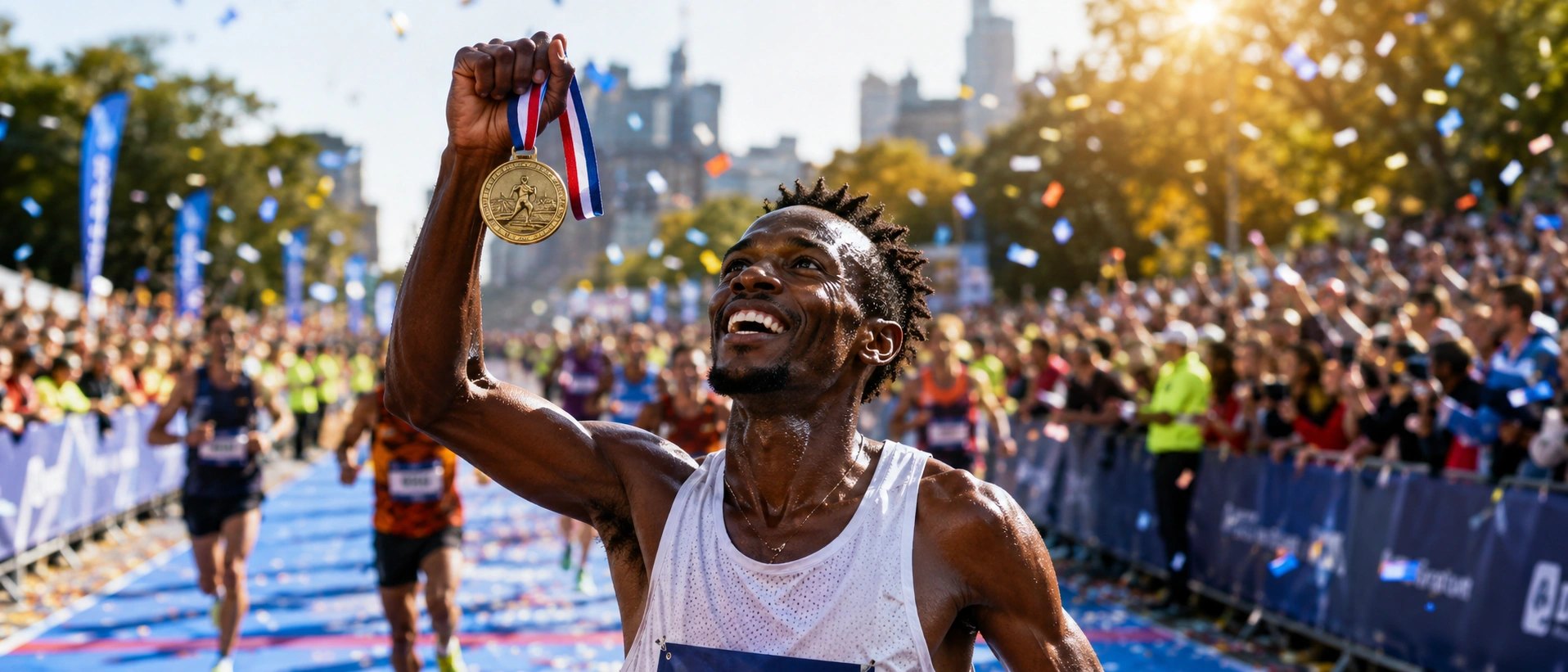
Choosing the right medal size and thickness is one of the first decisions in a custom medal project. The dimensions affect how much artwork can fit, how clearly text can be reproduced, how heavy the medal feels, how the ribbon balances with it, and how much material is required for production.
Quick Answer
For many custom medal projects, 3 inches (about 76 mm) in diameter and 3 mm thick is a practical starting point. Smaller 2–2.5 inch medals work well for youth events and simpler designs, while 3.5–4 inch medals provide more room for premium marathon artwork, deeper relief and large event branding. The final specification should follow the artwork, target weight, ribbon width and budget.
If you are planning a new event, browse our custom medals first to compare different shapes, finishes and event styles.
What Does Custom Medal Size Mean?
For a round medal, size normally refers to the diameter. For irregular shapes such as stars, shields, shoes, landmarks or custom silhouettes, the measurement is usually based on the widest or longest point of the medal body.
Ribbon length and ribbon width are separate specifications. A large medal with a ribbon that is too narrow can look visually unbalanced, while a small medal with an oversized ribbon can feel bulky.
Common Custom Medal Sizes
2–2.5 Inches
Best for youth sports, school activities, participation awards and simple logo-based designs. Lighter weight and lower material use make this range practical for large-volume programs.
3 Inches
A balanced all-purpose size for races, clubs, schools and corporate events. It provides enough room for event logos, text, enamel and moderate 2D or 3D relief without becoming unnecessarily heavy.
3.5 Inches
Suitable for marathon medals, championship awards and designs that need more visual impact. The extra area supports layered borders, detailed artwork, larger text and stronger 3D effects.
4 Inches and Above
Best for premium races, collector medals and statement pieces. Large formats create strong finish-line impact but increase weight, packing volume and material cost.
How Thick Should a Custom Medal Be?
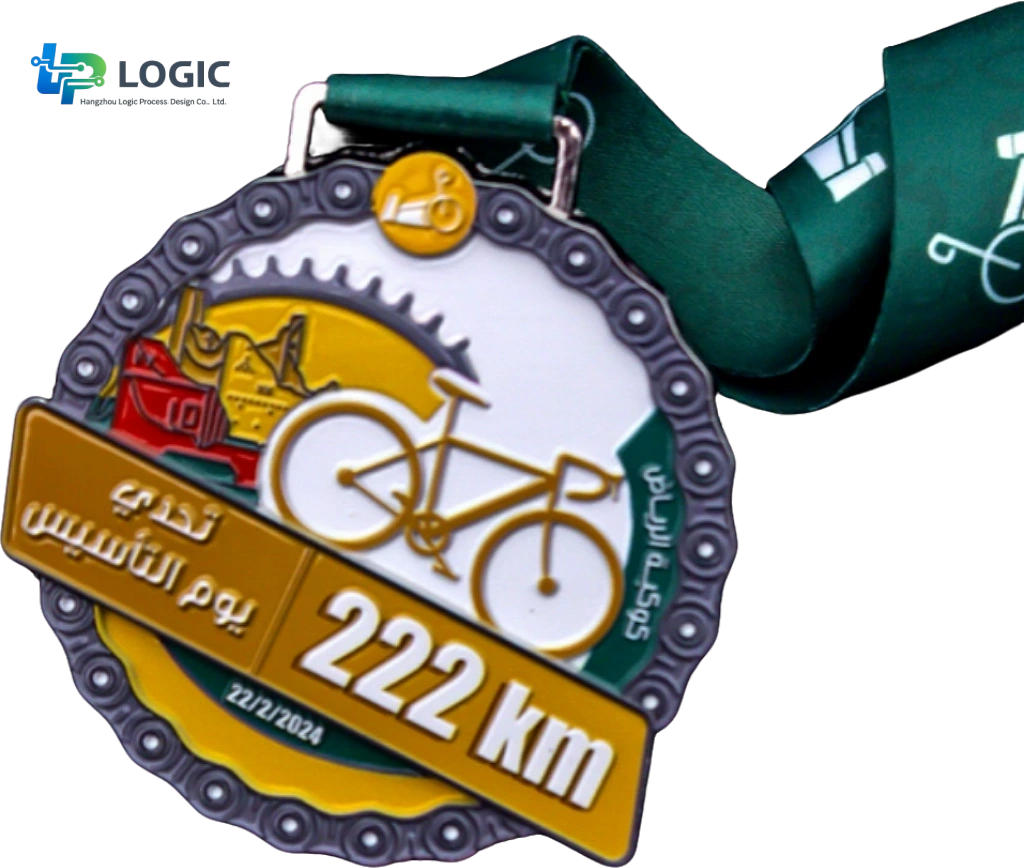
Thickness affects weight, edge presence, structural strength and how much depth is available for raised or recessed details. It should always be considered together with diameter rather than chosen on its own.
2–2.5 mm
Useful for simpler, lighter medals where deep relief is not required. This can help control material weight on larger-volume projects.
3 mm
Our practical default for many zinc alloy medal projects. It gives a solid feel while supporting common enamel, plating, 2D relief and moderate 3D details.
4–5 mm
Better for premium pieces, deeper 3D relief, thicker edges and designs that need more weight or a stronger sculpted appearance.
Match Medal Size to the Event
Youth / School Events
Starting size: 2–2.5 in
Lighter, comfortable and suitable for simpler artwork.
Local Sports / Clubs
Starting size: 2.5–3 in
Good balance of visibility, detail and budget.
5K / 10K / Standard Races
Starting size: 3 in
Enough space for branding, route details and event text.
Marathons / Championships
Starting size: 3–3.5 in
Stronger visual impact and more room for detailed artwork.
Premium / Collector Programs
Starting size: 3.5–4 in+
Supports statement designs, complex structures and deeper relief.

When Should You Choose a Larger Medal?
A larger medal is useful when the design contains several elements that need to remain readable. Examples include a detailed city skyline, multiple sponsor marks, long event names, layered borders, large dates, deep 3D portraits or a custom mechanism such as a spinner or puzzle structure.
Complex medals should not simply be squeezed into a smaller diameter. Increasing the size often produces a cleaner result than reducing every line, letter and relief feature.
For more complex structures, see our custom magnetic puzzle marathon medal as an example of a design where available surface area and structure matter more than choosing the smallest possible size.
How Size and Thickness Affect Cost
Increasing diameter or thickness normally increases metal consumption and finished weight. That can affect both unit cost and shipping cost, especially for larger bulk orders. Complex 3D relief, cut-outs, movable parts, multiple enamel areas and special plating can also influence the final quotation.
The most cost-effective solution is therefore not automatically the smallest medal. A design that is too small may require artwork simplification or lose important details. A well-proportioned 3-inch medal can often provide a better balance between appearance and production efficiency.
If budget planning is important, read our custom medal cost guide before requesting a quotation.
Do 3D Medals Need to Be Thicker?
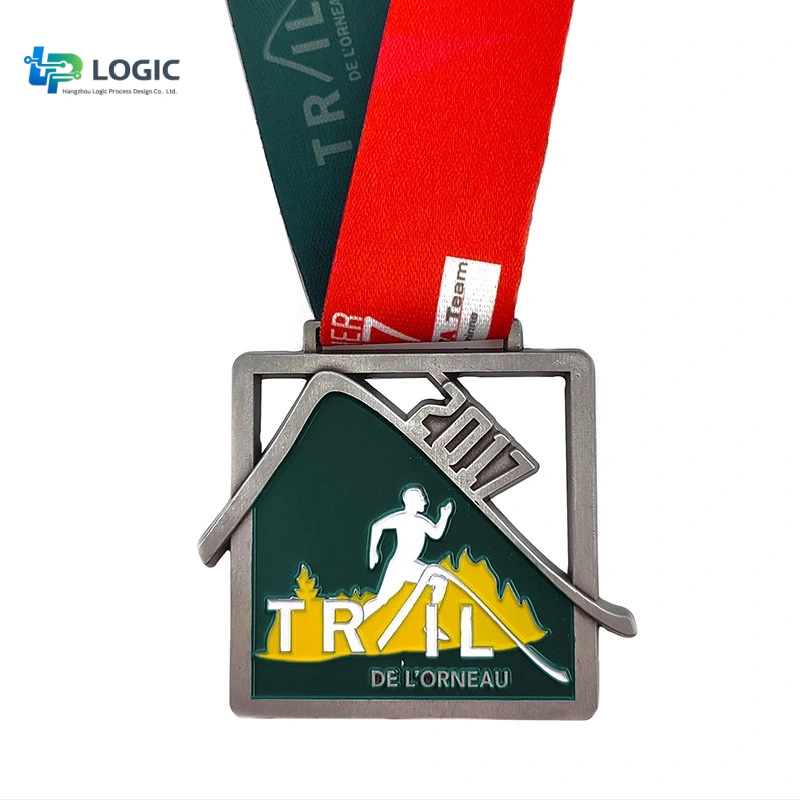
Not every 3D medal needs an extremely thick body, but deeper sculpted relief needs enough metal depth to reproduce the intended shape clearly. A shallow 3D effect can work with a standard specification, while a prominent portrait, animal, building or sculptural element may benefit from additional thickness.
The artwork should be reviewed before the final thickness is confirmed. This avoids paying for unnecessary thickness on a simple design or choosing a body that is too thin for the intended relief.
What About Custom Shapes and Cut-Outs?
Irregular medals are usually measured by the maximum width or height. A 3-inch star, shoe or skyline-shaped medal will not use the same amount of metal as a 3-inch solid circle, so shape and open areas should be considered when estimating weight and balance.
Cut-outs can reduce material in some areas, but they also change structural strength and how the design hangs from the ribbon. The attachment point needs enough surrounding metal to remain stable during use.
How to Choose the Right Ribbon Width
Ribbon width should visually match the medal. Smaller medals usually pair better with narrower ribbons, while larger 3–4 inch medals often look more balanced with a wider custom ribbon. Event logos, sponsor names and repeating text also need enough printable width to remain legible.
Our customization options cover medal shape, relief, plating, enamel and personalized ribbon design so the medal and ribbon can be planned as one complete product.
Recommended Starting Specification
If you do not yet have a final specification, start with:
3 inches × 3 mm, zinc alloy, custom plating, optional enamel or UV details, and a personalized ribbon. From there, increase or reduce the size according to artwork complexity, event positioning, target weight and budget.
What Information Should You Send for a Quote?
To receive a more accurate custom medal quotation, prepare the event logo or artwork, preferred medal size, thickness, quantity, plating color, enamel requirements, ribbon design and target delivery date. If you are unsure about dimensions, the artwork can be reviewed first and the size adjusted before production.
Frequently Asked Questions
What is the most common size for custom medals?
There is no single mandatory standard, but around 3 inches is a practical starting point for many races, schools, clubs and corporate programs because it provides useful design space without automatically creating a heavy medal.
Is a thicker medal always better?
No. Extra thickness adds weight and material cost. The correct thickness depends on medal diameter, artwork depth, structure and the intended feel of the finished award.
What thickness is suitable for a 3-inch zinc alloy medal?
For many general-purpose designs, 3 mm is a balanced starting specification. Deeper 3D relief or premium designs may require 4 mm or more after the artwork is reviewed.
Can custom medals be larger than 4 inches?
Yes. Oversized medals can be produced for premium races and collectible programs, but the increased weight, ribbon proportion, packaging and shipping requirements should be considered before final approval.
Can you recommend the medal size from my logo?
Yes. The artwork can be reviewed first so the medal dimensions are selected around the smallest text, logo detail, relief depth and overall shape rather than choosing a size blindly.
Need Help Choosing Your Medal Size?
Send us your logo, event details and estimated quantity. We can recommend a practical size and thickness before artwork approval. MOQ starts from 50 pieces.